


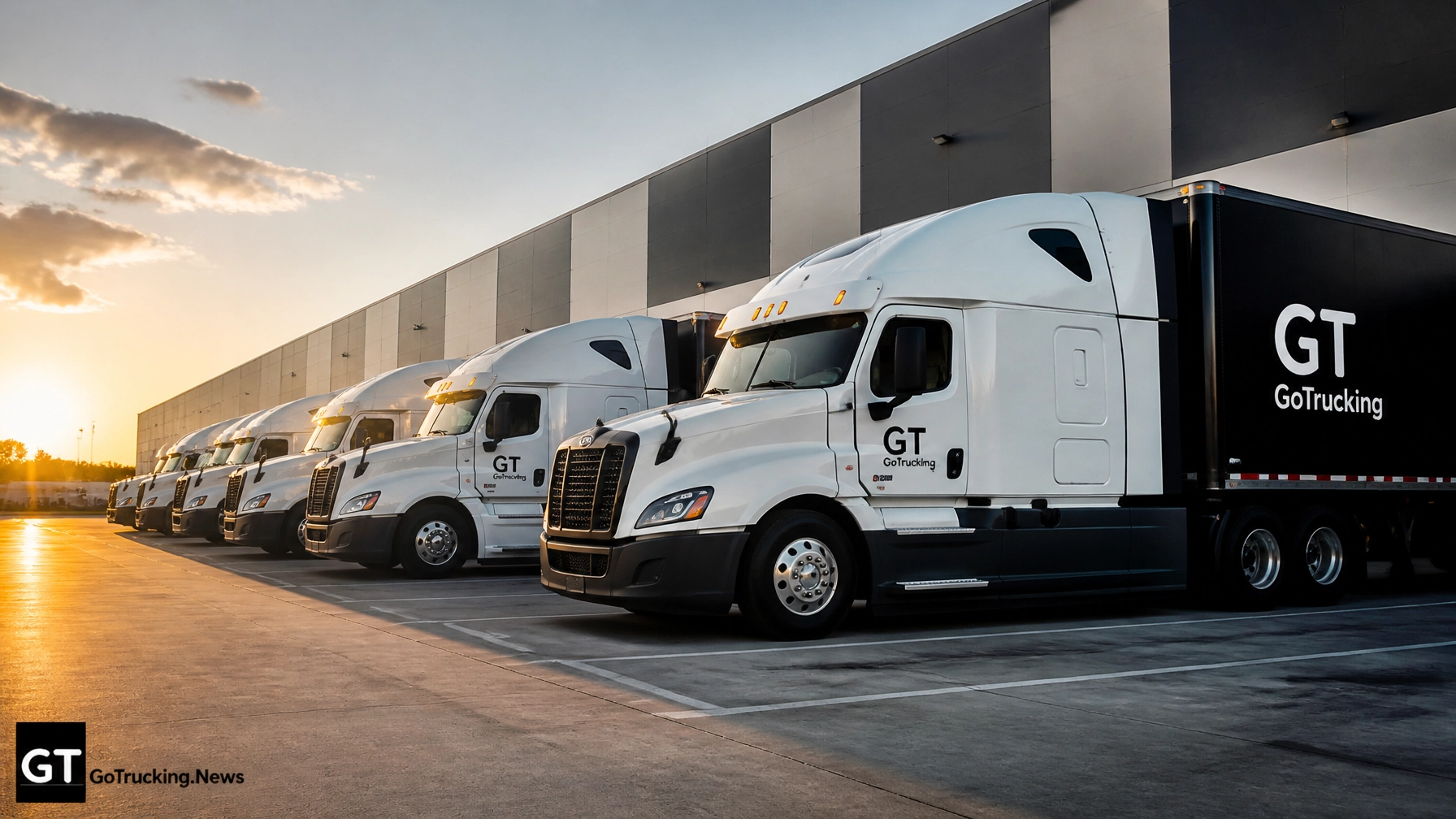
The one thing branding experts never tell you about fleet management is that your trucks are likely your most expensive: and most underutilized: marketing assets.
When you’re hauling freight across the country, your trucks aren't just tools for logistics; they are rolling billboards. Every mile driven is a potential impression on a shipper, a future driver, or a partner. Yet, many trucking companies treat their brandingstrategy as an afterthought: slapping a logo on a door and calling it a day.
If your fleet looks like an unorganized mess of mismatched fonts and faded vinyl, you’re not just losing style points; you’re losing revenue. In the competitive world of transportation, professional branding signals reliability and safety.
Here are the 7 most common mistakes trucking professionals make with their fleet’s branding strategy and exactly how to fix them.
1. The "Everything-But-The-Kitchen-Sink" Design
Many fleet owners try to pack as much information as possible onto their trailers. They list every service from "Refrigerated Hauling" to "Hazmat Certified," add five phone numbers, three social media icons, and a long mission statement.
The Mistake: Clutter. At highway speeds, a driver or a pedestrian has about 2.5 seconds to recognize your brand. If your truck is covered in tiny text, the human brain simply ignores it.
The Fix: Stick to the "Rule of Three." Your brandingstrategy on a truck should focus on only three elements:
- Your Company Name/Logo: The most prominent feature.
- What You Do: A single, clear descriptor (e.g., "Flatbed Specialists").
- One Primary Contact: A simple URL or a large phone number.
If it can't be read from 100 feet away while moving at 65 mph, it shouldn't be there.

2. Low-Contrast or "Fancy" Typography
You might love a sleek, thin font or a stylized script for your office stationary, but those choices are disastrous for a fleet.
The Mistake: Using fonts that are too thin, too close together, or that blend into the background color. If your logo is dark blue and your truck is black, your brand is invisible.
The Fix: Prioritize legibility over artistic flair. Use bold, sans-serif fonts with high contrast. Think white on dark blue, or black on yellow.
Before you approve a design, print it out and look at it from across the room. If you have to squint, your drivers’ potential clients will too. Remember, your brandingstrategy must work in the rain, at night, and at high speeds.
3. Inconsistency Across the Fleet
As fleets grow, many companies end up with a "patchwork" look. Some trucks have the old logo, some have the new one, and some trailers have a completely different color scheme because they were bought second-hand.
The Mistake: Inconsistency. When your trucks don't match, you look like a "mom-and-pop" shop rather than a professional logistics powerhouse. It erodes trust with high-value shippers who want to know they are dealing with a stable, organized company.
The Fix: Develop a Brand Style Guide. Even a simple two-page PDF that specifies your exact brand colors (using Hex or Pantone codes) and fonts can save your brand. When you order new graphics or paint a truck, refer to the guide.
At GoTrucking.News, we see the most successful companies treat every truck like a uniform. Consistency breeds recognition.

4. Neglecting the "Digital-Physical" Connection
Your truck is often the first touchpoint for a customer, but the second touchpoint is almost always your website or social media.
The Mistake: Your truck looks modern and clean, but when a shipper visits your website, it looks like it was built in 1998. Or worse, the colors and logo on the site don't match the truck they just saw.
The Fix: Align your brandingstrategy across all platforms. If your trucks are the "physical" face of your brand, your digital presence is the "handshake." Ensure that your website uses the same logo, colors, and messaging as your fleet. When a potential driver sees your truck on the road and looks you up on LinkedIn or Instagram, the transition should be seamless.
5. Ignoring the Back of the Trailer
Most of the time, the people seeing your brand are stuck behind your truck in traffic.
The Mistake: Focusing all the branding on the sides of the cab and trailer while leaving the back doors blank or filled only with required regulatory markings.
The Fix: The rear of the trailer is prime real estate. This is where people have the most time to actually read and digest your information.
- Use the rear for your "Call to Action."
- If you are looking for drivers, a big "DRIVE FOR US" sign with a simple URL works wonders.
- If you want more freight, use a clear "GET A QUOTE" message.
Keep it simple, but don't waste the most viewed part of your vehicle.

6. The "Faded Glory" Syndrome
Branding isn't a "set it and forget it" task. Vinyl wraps and decals have a lifespan, usually between 5 to 7 years depending on the climate.
The Mistake: Letting your branding peel, crack, or fade. Nothing screams "we don't care about maintenance" like a truck with a half-peeled logo. If you don't maintain your brand, shippers will wonder if you maintain your brakes and engines.
The Fix: Build branding inspections into your preventive maintenance schedule.
- Wash trucks regularly; road salt and grime eat through vinyl.
- Repair small tears in wraps immediately to prevent water from getting underneath.
- Plan for a "de-brand and re-brand" every few years to keep the fleet looking fresh.
A clean, vibrant truck tells the world that you take pride in your equipment and your service.

7. No Clear Call to Action (CTA)
Why are you branding your trucks in the first place? Is it to get more shippers? Is it to recruit drivers? Or is it just for "brand awareness"?
The Mistake: Not giving the viewer a clear next step. Many fleet designs have a name and a logo but no way to actually contact the company quickly.
The Fix: Define the goal of your brandingstrategy. If your biggest pain point is driver retention, your trucks should be moving recruitment offices. If you want more regional freight, your truck should highlight your local phone number or a specific "Get a Quote" landing page.
Make the CTA big, bold, and easy to remember. Avoid long, complicated URLs like www.smith-logistics-and-transport-group.com. Use something short like DriveForSmith.com.
Conclusion: Branding is an Investment, Not an Expense
In the trucking industry, your brand is your reputation. In an era where trust is the ultimate currency, having a professional, clean, and consistent brandingstrategy sets you apart from the sea of white trailers.
Fixing these seven mistakes won't just make your fleet look better: it will make your business run better. You’ll attract better drivers, win better contracts, and build a lasting legacy on the road.
Stay informed with the latest in transportation and logistics branding by visiting us daily at GoTrucking.News.
🔥 START IMPROVING YOUR FLEET BRANDING TODAY!
Don't let your trucks stay invisible. A simple audit of your current fleet graphics is the first step toward a more professional and profitable operation.
Trending Hashtags: #Trucking #Logistics #BrandingStrategy #FleetManagement #TransportationNews #TruckingIndustry #Innovation #BrandingIdentity
Keywords: brandingstrategy, trucking, fleet branding, logistics, brandingidentity, transportation, truck driver recruitment, trucking news.
Contact Us:
GoTrucking.News
Website
LinkedIn | X (Twitter) | Instagram | Facebook